


Pathani Men
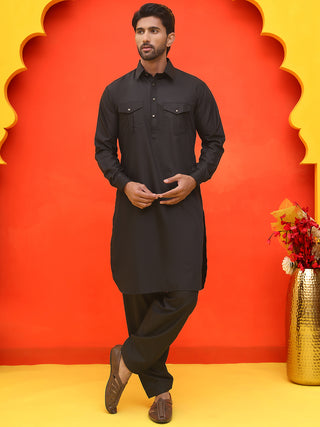
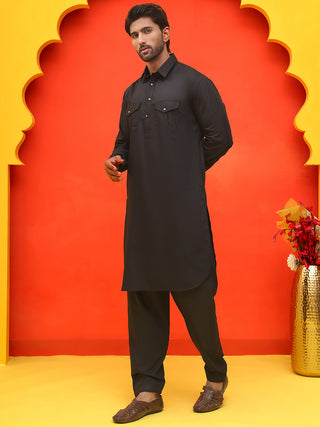
Men's Solid Pathani Kurta with Salwar
Regular price₹ 3,799.00₹ 1,329.0065% off
- Unit price
- / per
1 color, 5 sizes
- S
- M
- L
- XL
- XXL
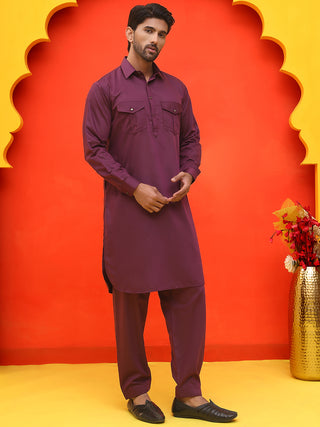
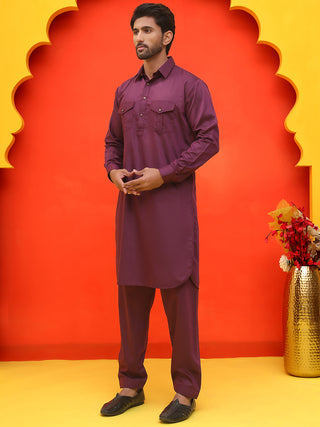
Men's Solid Pathani Kurta with Salwar
Regular price₹ 3,799.00₹ 1,329.0065% off
- Unit price
- / per
1 color, 5 sizes
- S
- M
- L
- XL
- XXL
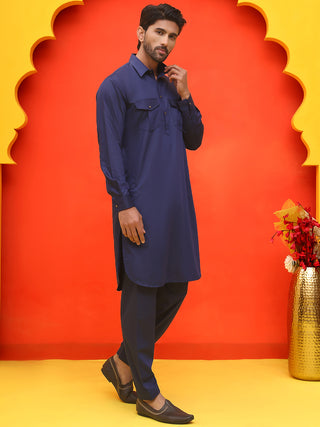
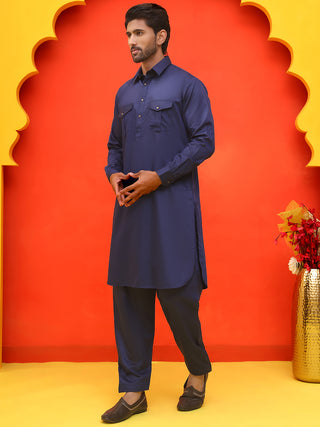
Men's Solid Pathani Kurta with Salwar
Regular price₹ 3,799.00₹ 1,329.0065% off
- Unit price
- / per
5 sizes
- S
- M
- L
- XL
- XXL
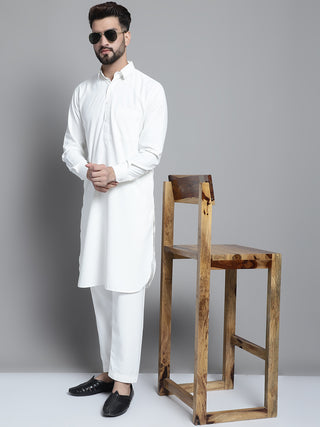
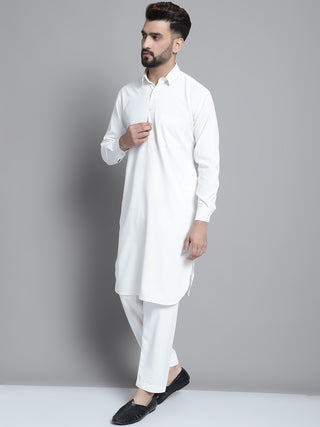
Men's White Cotton Solid Pathani Kurta with Salwar
Regular price₹ 2,499.00₹ 874.0065% off
- Unit price
- / per
1 color, 5 sizes
- S
- M
- L
- XL
- XXL
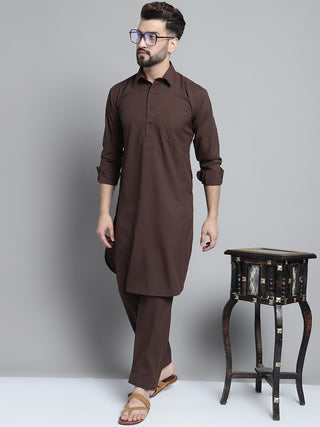
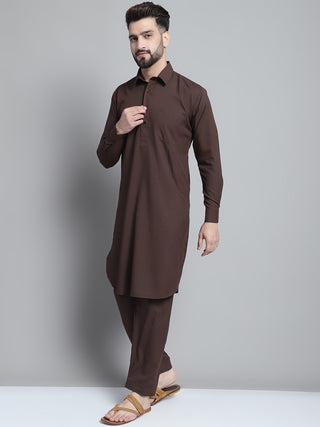
Men's Coffee Brown Cotton Solid Pathani Kurta with Salwar
Regular price₹ 2,499.00₹ 874.0065% off
- Unit price
- / per
1 color, 5 sizes
- S
- M
- L
- XL
- XXL
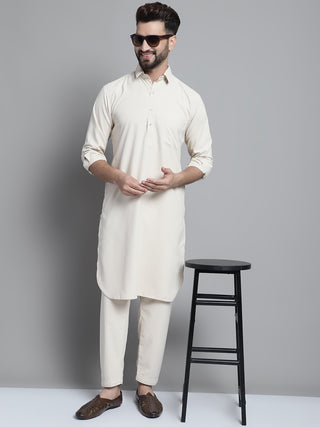
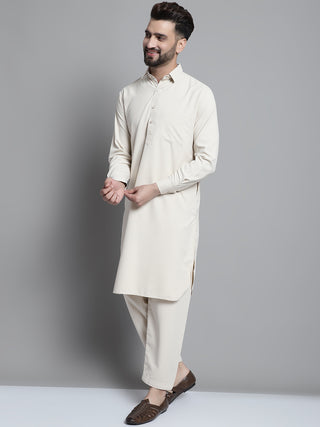
Men's Cream Cotton Solid Pathani Kurta with Salwar
Regular price₹ 2,499.00₹ 874.0065% off
- Unit price
- / per
1 color, 5 sizes

- S
- M
- L
- XL
- XXL
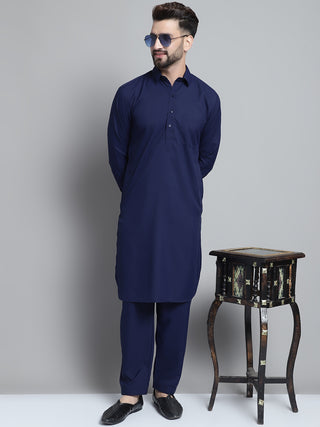
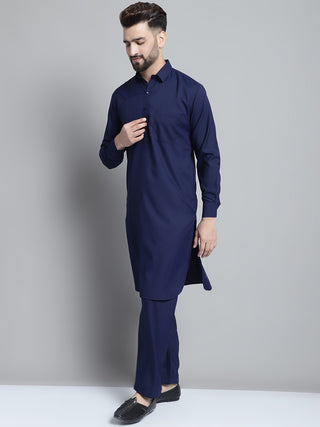
Men's Navy Blue Cotton Solid Pathani Kurta with Salwar
Regular price₹ 2,499.00₹ 874.0065% off
- Unit price
- / per
1 color, 5 sizes

- S
- M
- L
- XL
- XXL
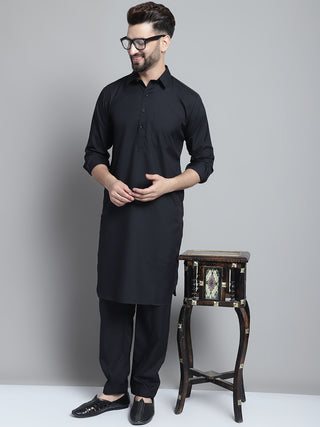
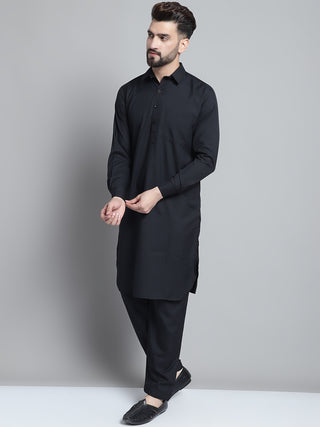
Men's Black Cotton Solid Pathani Kurta with Salwar
Regular price₹ 2,499.00₹ 849.0066% off
- Unit price
- / per
1 color, 5 sizes
- S
- M
- L
- XL
- XXL
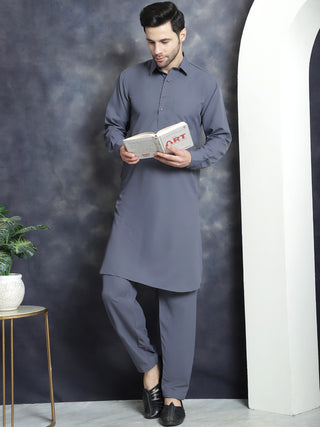
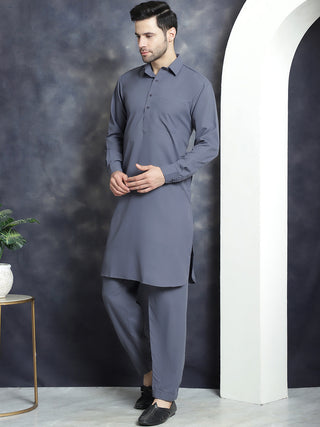
Men's Solid Pathani Kurta with Salwar
Regular price₹ 3,399.00₹ 645.0081% off
- Unit price
- / per
1 color, 5 sizes
- S
- M
- L
- XL
- XXL


Men's Solid Pathani Kurta with Salwar
Regular price₹ 3,399.00₹ 645.0081% off
- Unit price
- / per
5 sizes
- S
- M
- L
- XL
- XXL
You’re viewing 1-10 of 10 products
Pathani Suit for Men | Jompers Ethnic Wear
Some silhouettes ask to be noticed without a single sequin or stitch of embroidery. A pathani suit for men does exactly that — a straight-cut, collared kurta with a distinct shirt-style placket, paired with a looser, pleated salwar instead of a standard pajama or churidar. Jompers' Pathani collection brings this bolder, more structured silhouette to a catalog otherwise built around the traditional kurta pajama shape.
The suit's roots trace back to the Pathan, or Pashtun, people of Afghanistan and the northwest South Asian region, where it was designed for comfort and ease of movement across rugged terrain. That practical origin is still visible in the cut — a roomier, more relaxed fit than a fitted kurta pajama, built for actually moving rather than standing still. It's a genuinely different garment from the rest of the Jompers catalog, cut to the same fit standard the brand has held since 2003 through Indian Needle Pvt. Ltd.
Explore Designer Pathani Suit
What sets a Pathani suit apart starts at the collar. Where most kurtas use a mandarin or collarless neckline, a Pathani kurta typically features a shirt-style collar and a button-front placket, sometimes with chest pockets — details that give the upper body a bolder, more structured shape. The bottom half is just as distinct: a Pathani salwar, wider and more pleated at the waist, tapering down to a cuffed ankle, offering considerably more room to move than a fitted churidar.
Fabric leans toward cotton and cotton-blend, chosen specifically for breathability, since the suit's whole appeal depends on comfort and freedom of movement. Colors run from crisp neutrals — white, cream, and beige, especially suited to daytime and religious functions — through bolder options like navy, black, and deep maroon for evening weddings. Sizing runs through plus sizes, and the suit's naturally roomier cut tends to be more forgiving across a range of body types than a fitted kurta pajama.
If you want to compare this structured silhouette against the more traditional, flexible kurta pajama shape, Men's Ethnic Set is the collection to look at side by side with this one.
Perfect for Weddings & Festive Celebrations
A Pathani suit has genuinely earned its popularity across Indian wedding functions, particularly Sangeet, Mehendi, and receptions, where its looser salwar bottom holds up far better through hours of dancing than a fitted churidar would. It's a strong pick for wedding guests wanting a bolder, more masculine alternative to a standard kurta set, and equally popular for Eid celebrations and general festive gatherings where comfort matters as much as presentation.
For the most formal, ceremonial moment of a wedding — the main ceremony itself — a kurta pajama or a premium piece often reads as the more traditionally expected choice, though a richly colored silk-blend Pathani suit with subtle collar embroidery works well even there for a groom or family member wanting to stand apart. Diwali and other Festive Wear occasions suit the Pathani cut too, especially in richer evening tones. For coordinated group dressing, Groomsmen handles matched sizes and colors across a wedding party.
Premium Fabrics & Expert Craftsmanship
A Pathani suit's structure depends on getting the collar, placket, and salwar proportions right — get any of the three wrong and the whole silhouette loses the bold, clean lines that define the style. Cotton and cotton-blend fabric is chosen specifically for how it holds a crisp shape at the collar while still moving freely through the looser salwar, and stitching at the placket and pockets is checked with particular care, since those details carry more visual weight here than on a standard kurta.
Where embroidery appears, it's typically kept to the collar and cuffs, respecting the suit's naturally clean, structured character rather than working against it with heavy detailing. For richer, more formal versions, silk-blend and cotton-silk blends replace plain cotton, adding weight and sheen while keeping the same structural cut intact.
For a comparably structured but entirely different premium silhouette, Indo Western / Jodhpuri applies tailored, Western-influenced construction to a jacket-based outfit instead of a kurta-and-salwar combination.
Style Guide
A Pathani suit is largely a complete look on its own — the collar and structured placket already do the work a layering piece would provide on a plain kurta, so resist the urge to add a Nehru jacket or waistcoat on top, which tends to compete with the suit's own lines rather than complement them. Rolling the sleeves neatly partway up the forearm is a common, sharp styling detail that suits the suit's slightly more rugged character.
Footwear should lean toward mojaris or closed leather sandals for festive functions, with the suit's relaxed drape working equally well with either. Keep accessories minimal — a simple watch is usually enough, since the collar and placket are already providing structure and visual interest. For colder months or evening events, a shawl or stole draped over the shoulder adds warmth without disrupting the suit's clean lines.
Why Choose Jompers
A Pathani suit is unforgiving of imprecise tailoring in a different way than a standard kurta — the collar has to sit correctly, the placket has to align, and the salwar's proportions have to be cut right for the wearer's height, or the whole silhouette reads as sloppy rather than sharp. Jompers builds this collection to the same standard it's held since 2003 under Indian Needle Pvt. Ltd., applying that construction discipline specifically to this less common, more exacting shape.
Sizing runs from regular fits through plus sizes, and the suit's naturally roomier cut tends to accommodate a wider range of body types comfortably. Every order ships with cash-on-delivery and easy exchanges across India, and Jompers delivers internationally as well for customers ordering from outside the country. A flagship store in Sector 18, Noida, backs the online catalog for anyone who wants to check the fit in person.
Complete Your Ethnic Wardrobe
A Pathani suit is a strong standalone statement, but it's worth building the rest of your wardrobe around it for the functions that call for a different register. Add a Silk Kurta for evenings that call for a more traditional silhouette, an Embroidered Kurta for detailed festive dressing, or a Men's Ethnic Set for functions where the standard kurta pajama shape is the safer, more expected choice.
Related Categories
● Men's Ethnic Set — the traditional kurta pajama silhouette for comparison
● Indo Western / Jodhpuri — a different, tailored structured silhouette
● Silk Kurta — rich fabric for a more traditional evening look
● Embroidered Kurta — detailed collar and cuff embroidery options
● Men's Ethnic Bottom Wear — standard pajama and churidar for comparison
● Kurta with Koti — a layered alternative for a different structured look
Style Guide Blogs
1. Pathani Suit vs. Kurta Pajama: How to Choose the Right Silhouette
2. The Origins of the Pathani Suit: From Afghanistan to Indian Weddings
3. Why the Pathani Suit Is the Most Comfortable Choice for Sangeet
4. Styling a Pathani Suit: Collar, Cuffs, and Sleeve Roll Explained
5. Pathani Suit Colors for Every Season and Occasion
6. Pathani Suit or Sherwani: What Should You Wear as a Wedding Guest?
More in Men's Ethnic Wear
Shop by Occasion
Wearing a Pathani suit to a specific function? Shop directly by occasion: Haldi, Mehendi, Sangeet, Wedding, Groomsmen, Cocktail, Festive Wear, Independence Day, Diwali, and Raksha Bandhan.
Accordion list
A Pathani suit is a two-piece ethnic outfit consisting of a straight-cut, collared kurta - usually with a shirt-style collar, front button placket, and sometimes chest pockets - paired with a Pathani salwar, a looser, pleated trouser that's wide at the top and tapers to a cuffed ankle. It originated with the Pathan (Pashtun) people of Afghanistan and the northwest South Asian region, designed originally for comfort and ease of movement in a rugged, mountainous environment, and has since become a popular mainstream ethnic style across India, especially for weddings, Eid, and festive gatherings.
The main differences are the collar, front design, and bottom wear: a Pathani suit typically has a distinct shirt-style collar and button placket (sometimes with chest pockets), giving it a bolder, more structured, masculine silhouette, while a standard kurta pajama usually has a simpler mandarin collar or collarless neckline. The bottom wear differs too - Pathani suits pair with a looser, pleated Pathani salwar, while kurta pajama uses a straighter pajama or a more fitted churidar. Overall, kurta pajama offers more styling versatility across formality levels, while a Pathani suit creates a bolder, more defined, ready-made look with less additional styling needed.
Yes - Pathani suits are widely worn for wedding-related functions including receptions, mehndi, sangeet, and even the wedding day itself, especially in richer fabrics like silk-blends with subtle embroidery on the collar and cuffs in colors like navy, emerald green, or deep maroon. For very formal ceremonial moments, a kurta pajama with a Nehru jacket or a Jodhpuri suit may feel more traditionally 'wedding formal,' but a well-fitted Pathani suit in an appropriate fabric and color is a completely acceptable and increasingly popular choice for wedding guests and even grooms wanting a bolder alternative to the standard kurta set.
Many wearers find Pathani suits more comfortable for high-movement events specifically because the salwar bottom is looser and more pleated than a fitted churidar, allowing greater freedom of movement and better airflow - useful for sangeet dancing or long wedding days involving a lot of standing and walking. A kurta pajama with a fitted churidar can feel more restrictive by comparison, particularly when sitting cross-legged or dancing for extended periods. If comfort through a physically active event is your priority, a Pathani suit's relaxed salwar cut is generally the more forgiving choice.
Cotton is the most common fabric for its breathability and comfort, especially for daytime or casual-festive wear, while silk-blend, rayon, and cotton-silk blends are used for richer, more formal versions suited to weddings and evening events. Popular colors range from classic neutrals like white, cream, and beige (crisp and well-suited to daytime or Eid functions) to bolder options like navy, black, and deep maroon for evening weddings or receptions. Choosing between plain and lightly embroidered largely depends on the occasion's formality - plain, crisp Pathani suits suit daytime and religious functions, while subtly embroidered versions work better for evening celebrations.