


Chikankari Kurta
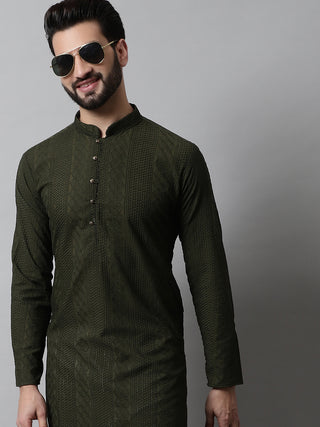

Jompers Men's Embroiderd Kurtas
Regular pricefrom ₹ 835.00Up to 78% off
- Unit price
- / per
2 colors, 8 sizes
- S
- M
- L
- XL
- XXL
- 3XL
- 4XL
- 5XL
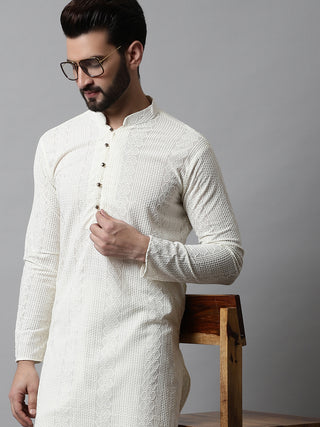

Jompers Men Cream Embroidered Kurta Only
Regular pricefrom ₹ 835.00Up to 78% off
- Unit price
- / per
1 color, 8 sizes

- S
- M
- L
- XL
- XXL
- 3XL
- 4XL
- 5XL


Men's Embroidered Kurtas.
Regular price₹ 3,799.00₹ 835.0078% off
- Unit price
- / per
1 color, 5 sizes
- S
- M
- L
- XL
- XXL


Jompers Men Black Chikan Kurta Only
Regular price₹ 3,299.00₹ 725.0078% off
- Unit price
- / per
1 color, 5 sizes
- S
- M
- L
- XL
- XXL
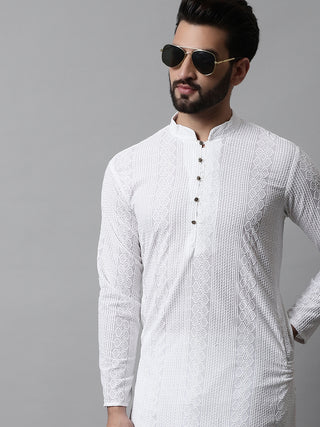

Jompers Men White Embroidered Kurta Only
Regular pricefrom ₹ 835.00Up to 78% off
- Unit price
- / per
1 color, 8 sizes
- S
- M
- L
- XL
- XXL
- 3XL
- 4XL
- 5XL
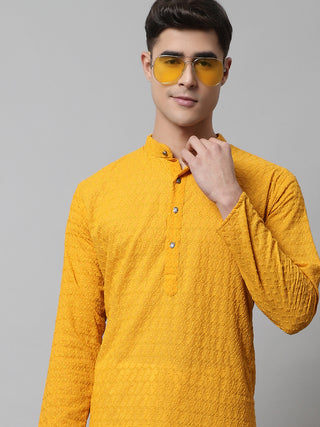
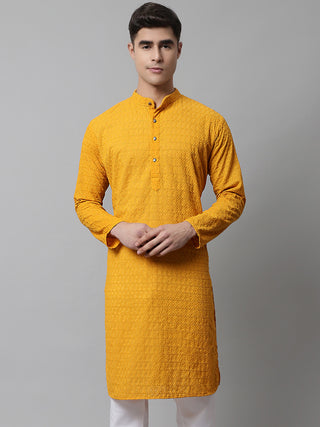
Jompers Men Mustard Chikan Kurta Only
Regular price₹ 3,299.00₹ 725.0078% off
- Unit price
- / per
1 color, 5 sizes

- S
- M
- L
- XL
- XXL
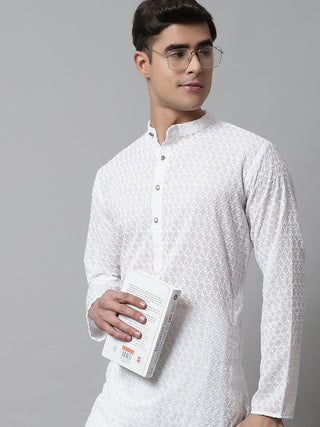
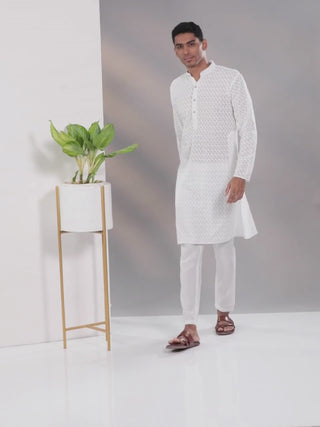
Jompers Men White Chikan Kurta Only
Regular price₹ 3,299.00₹ 725.0078% off
- Unit price
- / per
1 color, 5 sizes
- S
- M
- L
- XL
- XXL


Jompers Men's Embroiderd Kurta only
Regular pricefrom ₹ 835.00Up to 78% off
- Unit price
- / per
2 colors, 8 sizes
- S
- M
- L
- XL
- XXL
- 3XL
- 4XL
- 5XL


Men's Chikankari Embroidered Kurtas
Regular price₹ 3,799.00₹ 835.0078% off
- Unit price
- / per
5 sizes
- S
- M
- L
- XL
- XXL
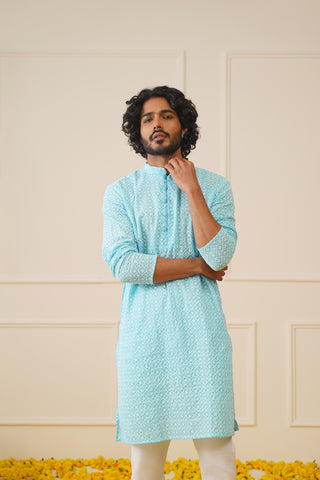

Jompers Men's Sky Embroidered Kurta Only
Regular price₹ 2,799.00₹ 755.0073% off
- Unit price
- / per
1 color, 5 sizes
- S
- M
- L
- XL
- XXL
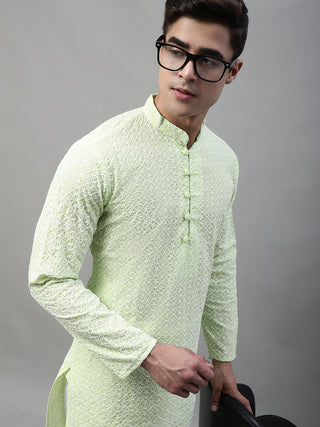

Jompers Men's Green Embroidered Kurta Only
Regular price₹ 2,799.00₹ 755.0073% off
- Unit price
- / per
1 color, 5 sizes
- S
- M
- L
- XL
- XXL
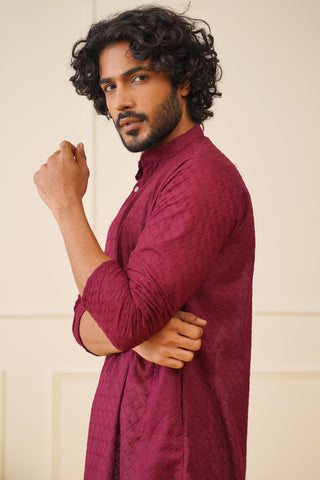
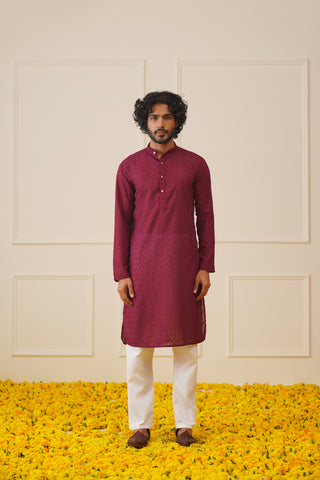
Jompers Men Purple Chikan Kurta Only
Regular price₹ 3,299.00₹ 725.0078% off
- Unit price
- / per
1 color, 5 sizes
- S
- M
- L
- XL
- XXL
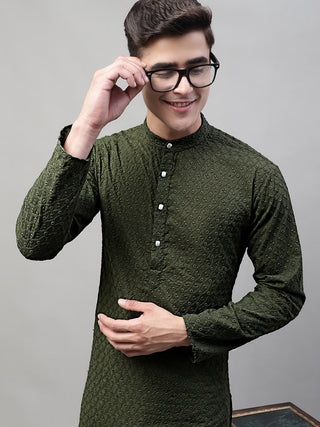
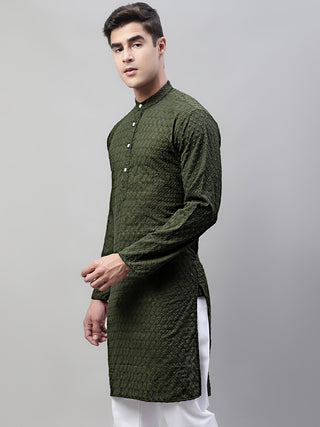
Jompers Men Olive Green Chikan Kurta Only
Regular price₹ 3,299.00₹ 725.0078% off
- Unit price
- / per
1 color, 5 sizes
- S
- M
- L
- XL
- XXL
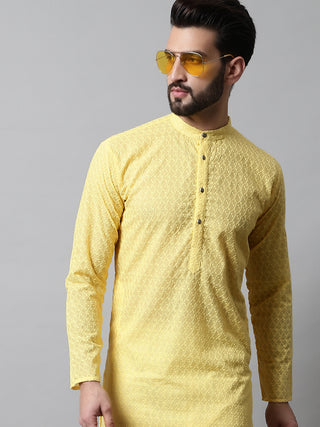
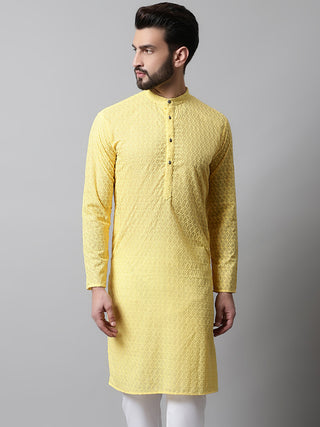
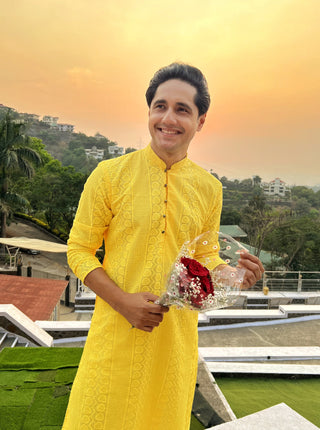
Jompers Men Yellow Chikan Kurta Only
Regular price₹ 3,299.00₹ 725.0078% off
- Unit price
- / per
1 color, 5 sizes
- S
- M
- L
- XL
- XXL

Jompers Men's Embroiderd Kurtas
Regular pricefrom ₹ 835.00Up to 78% off
- Unit price
- / per
2 colors, 8 sizes

- S
- M
- L
- XL
- XXL
- 3XL
- 4XL
- 5XL
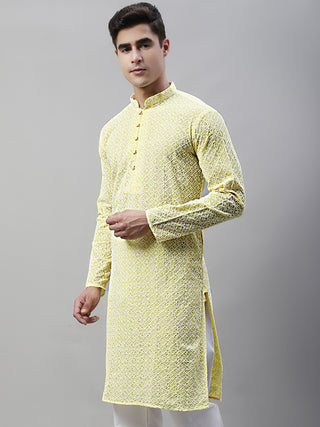

Jompers Men's Yellow Embroidered Kurta Only
Regular price₹ 2,799.00₹ 755.0073% off
- Unit price
- / per
1 color, 5 sizes
- S
- M
- L
- XL
- XXL
You’re viewing 1-16 of 63 products
Chikankari Kurta for Men | Lucknowi Embroidery by Jompers
Few embroidery traditions in Indian menswear carry as much history as chikankari, and a chikankari kurta for men wears that history quietly — in fine, deliberate threadwork rather than loud embellishment. Originating in Lucknow and believed to date back to the Mughal era, chikankari has stayed relevant for centuries for a simple reason: it's detailed enough to feel special, and restrained enough to wear often. Jompers' Chikankari collection brings this craft to a modern kurta wardrobe.
The technique itself is what sets chikankari apart from other embroidery styles. Traditionally worked in white or tonal thread on white fabric, it relies on the texture and pattern of the stitching itself rather than bold color contrast to create its effect — jaal (net-like) patterns, florals, and paisley motifs worked into lightweight fabric with a precision that's held to the same standard Jompers has carried since 2003 through Indian Needle Pvt. Ltd.
Explore Designer Chikankari Kurta
This collection spans both the traditional and the contemporary. You'll find classic white-on-white pieces that honor chikankari's original, tonal aesthetic, alongside colored variations — cream, peach, mint, sky blue, and more — where the embroidery reads in a different, slightly bolder register against a colored ground. Both approaches are legitimate; the choice comes down to whether you want the most historically faithful version or a more contemporary take on the same craft.
Fabric is chosen specifically to suit the technique — cotton, muslin, and georgette are the traditional bases, selected because they're lightweight enough to show the embroidery's texture clearly and breathable enough for the fine handwork to feel comfortable rather than heavy. Patterns range from densely worked jaal designs across the whole garment to more contained florals concentrated at the neckline and cuffs, letting you choose how much of the technique you want on display. Sizing runs through plus sizes, fitted to the same standard as the rest of the catalog.
If you want a similar level of craft with more color contrast and boldness, Sequence Kurta applies embellishment in a considerably more dramatic register, and for a lighter, more contained take on embroidery generally, Neck Embroidery Kurta is worth comparing.
Perfect for Weddings & Festive Celebrations
Chikankari's versatility is part of what's kept it relevant for so long — it works for weddings and receptions in richer colors or denser patterns, and just as comfortably for smart-casual daywear when kept simpler and lighter. For the Wedding day itself or a formal reception, a densely embroidered chikankari kurta, particularly on a richer cream or off-white base, carries real presence without needing sequin or heavy zari work to get there.
For pre-wedding functions like Mehendi and family gatherings, a lighter chikankari piece with contained neckline detailing works beautifully, and the breathable fabric makes it a genuinely comfortable choice for Haldi mornings too, where heavier embellished pieces would feel like too much. The same restraint suits Raksha Bandhan and general Festive Wear occasions well. For a coordinated group look across a wedding party, Groomsmen handles matched sizes and colors together.
Premium Fabrics & Expert Craftsmanship
Chikankari is, at its core, a craftsmanship story more than a fabric one — the technique is what does the work, and getting it right depends on stitch consistency, pattern precision, and the quality of the base fabric underneath. Genuine hand-done chikankari shows small, natural irregularities in stitch spacing that machine-replicated versions don't, since it's worked by individual artisans rather than a uniform automated process; the reverse side of authentic hand embroidery typically shows visible, slightly uneven threadwork rather than a perfectly clean machine backing.
Jompers' chikankari pieces are worked on cotton, muslin, and georgette specifically because these lightweight fabrics let the stitching's texture read clearly rather than getting absorbed into a heavier weave. Whether the piece you're looking at is hand-worked or machine-embroidered affects both price and character, and it's worth checking the product description and close-up photos for that detail if authenticity specifically matters to you.
For traditional embroidery craftsmanship applied at an even more premium tier of fabric, Premium Luxe Kurta is worth browsing alongside this collection.
Style Guide
Chikankari's subtlety means it rarely needs much styling help. A plain churidar or straight pajama in white, cream, or a tone that complements the base fabric keeps the outfit clean and lets the embroidery remain the clear focal point. Avoid pairing with a heavily patterned or busy bottom, which will compete with the fine detailing rather than complement it.
For festive functions, a simple stole or dupatta in a soft, matching tone can add a traditional flourish without overwhelming the embroidery. Footwear should lean traditional — mojaris or juttis suit chikankari's classic character better than anything overtly modern. Keep accessories understated; a plain watch or a simple chain is enough, since the embroidery itself is doing the work a bolder accessory might otherwise be asked to do.
Why Choose Jompers
Chikankari rewards attention to craft, and that's exactly where Jompers' manufacturing background under Indian Needle Pvt. Ltd. matters most. Since 2003, the brand has built its catalog around getting fabric, fit, and stitching right at a manufacturing level, and that discipline extends directly to how carefully this collection's embroidery is checked before a piece ships — pattern consistency, stitch quality, and finishing all reviewed against the same standard.
Sizing runs from regular fits through plus sizes, every order ships with cash-on-delivery and easy exchanges across India, and Jompers delivers internationally as well for customers ordering from outside the country. A flagship store in Sector 18, Noida, gives anyone who wants to examine the embroidery in person the chance to do so before buying.
Complete Your Ethnic Wardrobe
A chikankari kurta is a genuine wardrobe anchor, but it works best alongside pieces built for the occasions on either side of it. Add an Everyday Kurta for days that don't call for embroidery at all, a Silk Kurta for evening richness in a different fabric register, or a Premium Luxe Kurta for the most formal function on your calendar. Together, they cover a full wedding season with room for the craft traditions you care about most.
Related Categories
● Neck Embroidery Kurta — a lighter, more contained embroidery style
● Embroidered Kurta — the full range of Jompers' threadwork techniques
● Premium Luxe Kurta — richer fabric for the most formal functions
● Silk Kurta — a smoother fabric drape for evening events
● Sequence Kurta — a bolder, embellished alternative
● Men's Ethnic Set — a ready-matched outfit built around traditional styling
Style Guide Blogs
1. The History of Chikankari: From Lucknow to the Modern Wardrobe
2. How to Identify Authentic Hand-Embroidered Chikankari
3. White-on-White or Colored: Choosing Your Chikankari Kurta
4. Chikankari for Every Wedding Function, From Haldi to Reception
5. Caring for Chikankari: Washing and Storing Fine Embroidery
6. Chikankari vs. Other Embroidery Styles: A Complete Comparison
More in Men's Ethnic Wear
Shop by Occasion
Dressing chikankari for a specific event? Shop directly by occasion: Haldi, Mehendi, Sangeet, Wedding, Groomsmen, Cocktail, Festive Wear, Independence Day, Diwali, and Raksha Bandhan.
Accordion list
Chikankari is a traditional hand-embroidery technique that originated in Lucknow, believed to date back to the Mughal era, using delicate needlework - often in jaal (net-like), floral, or paisley patterns - on lightweight fabric such as cotton, muslin, or georgette. Historically the embroidery was done predominantly in white or tonal shades on white fabric, giving it a subtle, refined look, though contemporary chikankari has expanded to include colored threadwork on a wider range of base fabric colors. Jompers' chikankari kurta collection brings this traditional craft to men's kurtas, offering a textured, detailed alternative to plain or digitally printed styles.
Traditionally chikankari was worked in white thread on white fabric for a subtle, tonal effect, but modern chikankari kurtas are widely available in many colors - cream, peach, mint green, sky blue, black, and more - with the embroidery either matching the base fabric tonally or contrasting against it for a bolder look. If you want the most classic, traditional chikankari appearance, a white or off-white kurta with white thread embroidery is the authentic reference point; if you prefer more visual contrast or a specific color for an event's dress code, colored chikankari options are equally legitimate and widely available today.
Yes - chikankari is typically worked on breathable fabrics like cotton, muslin, or lightweight georgette, making it noticeably more comfortable in warm weather than heavier embroidered or sequin-embellished kurtas. This breathability also makes chikankari versatile: a simpler chikankari kurta with lighter embroidery can work for smart-casual daywear, while a more heavily embroidered or all-over jaal pattern chikankari piece dresses the same silhouette up for festive functions or weddings. The fabric choice and embroidery density, more than the technique itself, determine how casual or formal a specific chikankari kurta reads.
Genuine hand-done chikankari typically shows small, natural irregularities in stitch spacing and thread tension when examined closely, since it's done by individual artisans rather than a uniform machine process, and the reverse side of the fabric often shows visible, slightly uneven threadwork rather than a perfectly clean machine backing. Machine-embroidered chikankari-style pieces are generally more uniform and often less expensive, and there's nothing wrong with choosing one if authenticity isn't your top priority - but if hand-craftsmanship specifically matters to you, check product descriptions for explicit mentions of hand embroidery and look closely at detail photos before buying.
Chikankari kurtas work across a wide range of occasions specifically because of their versatile, refined-but-not-overly-formal character - they suit weddings and receptions (especially in richer colors or denser embroidery), festive family functions, and even smart-casual gatherings when kept simpler and lighter on embroidery. This is one of the more adaptable embroidered kurta styles precisely because chikankari's subtlety photographs and reads as elegant without being as visually loud as sequin work, making it a reliable choice when you're unsure exactly how formal a specific event will be.